
Aquatic (Swimming) Therapy
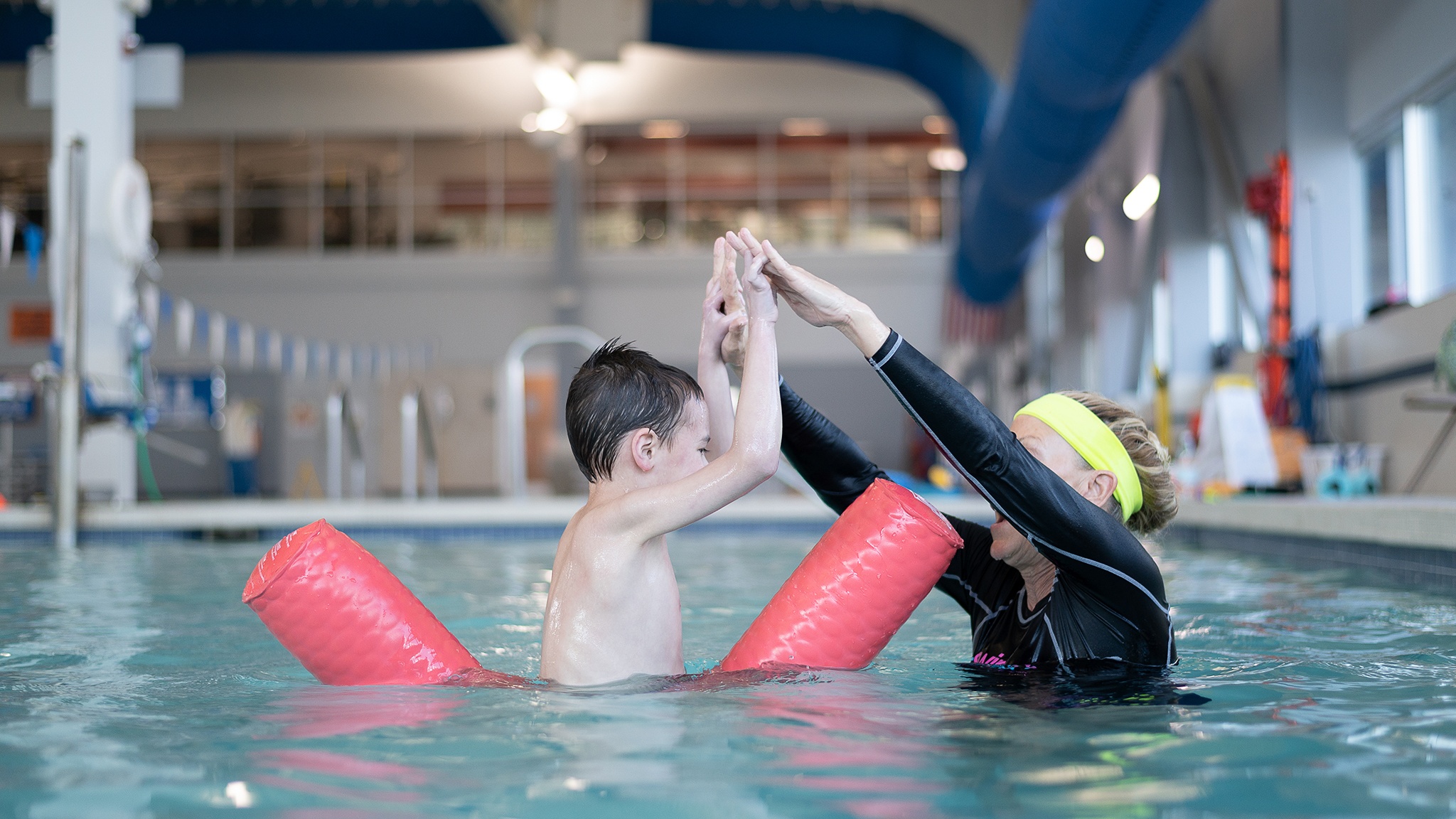
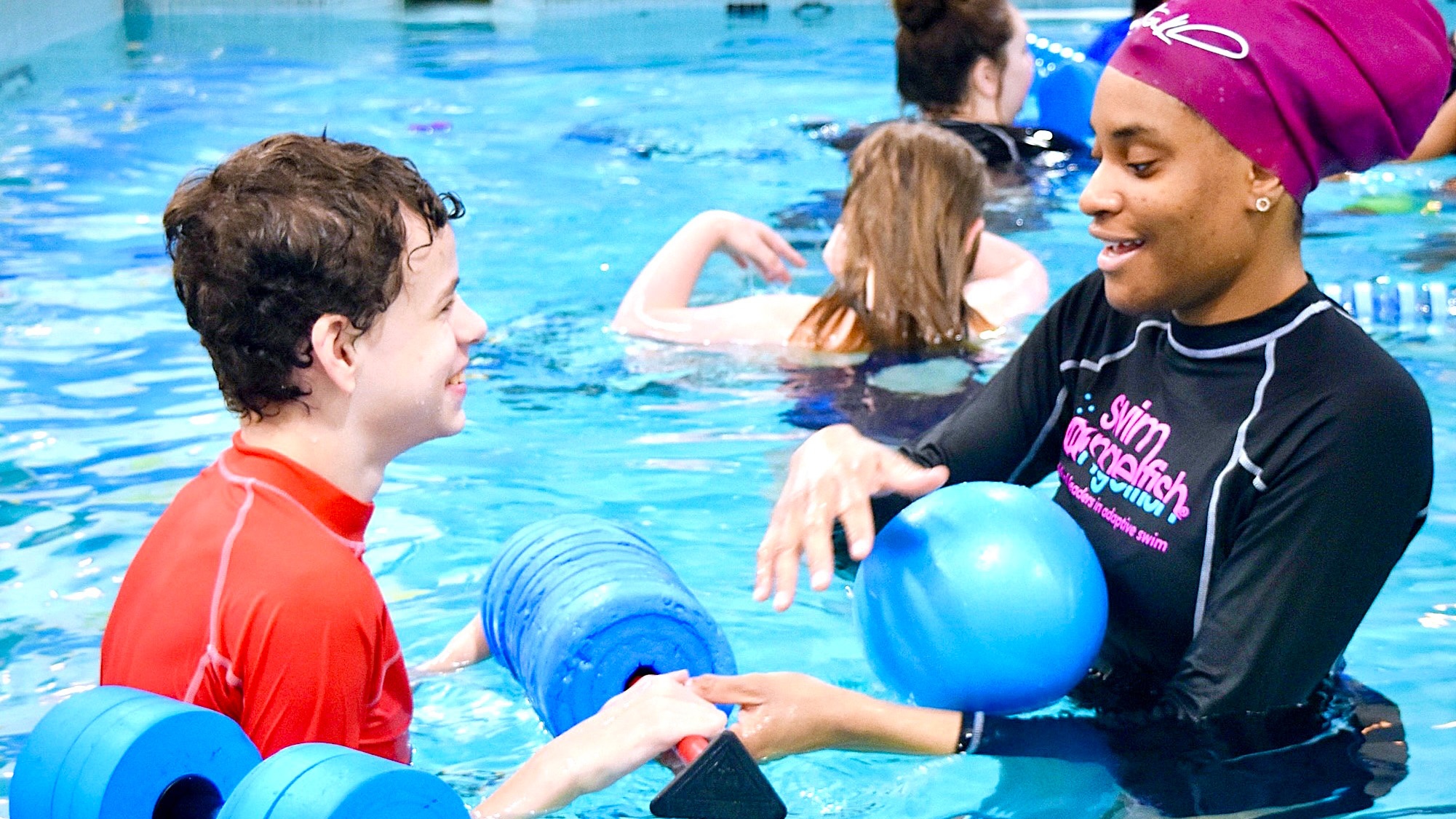
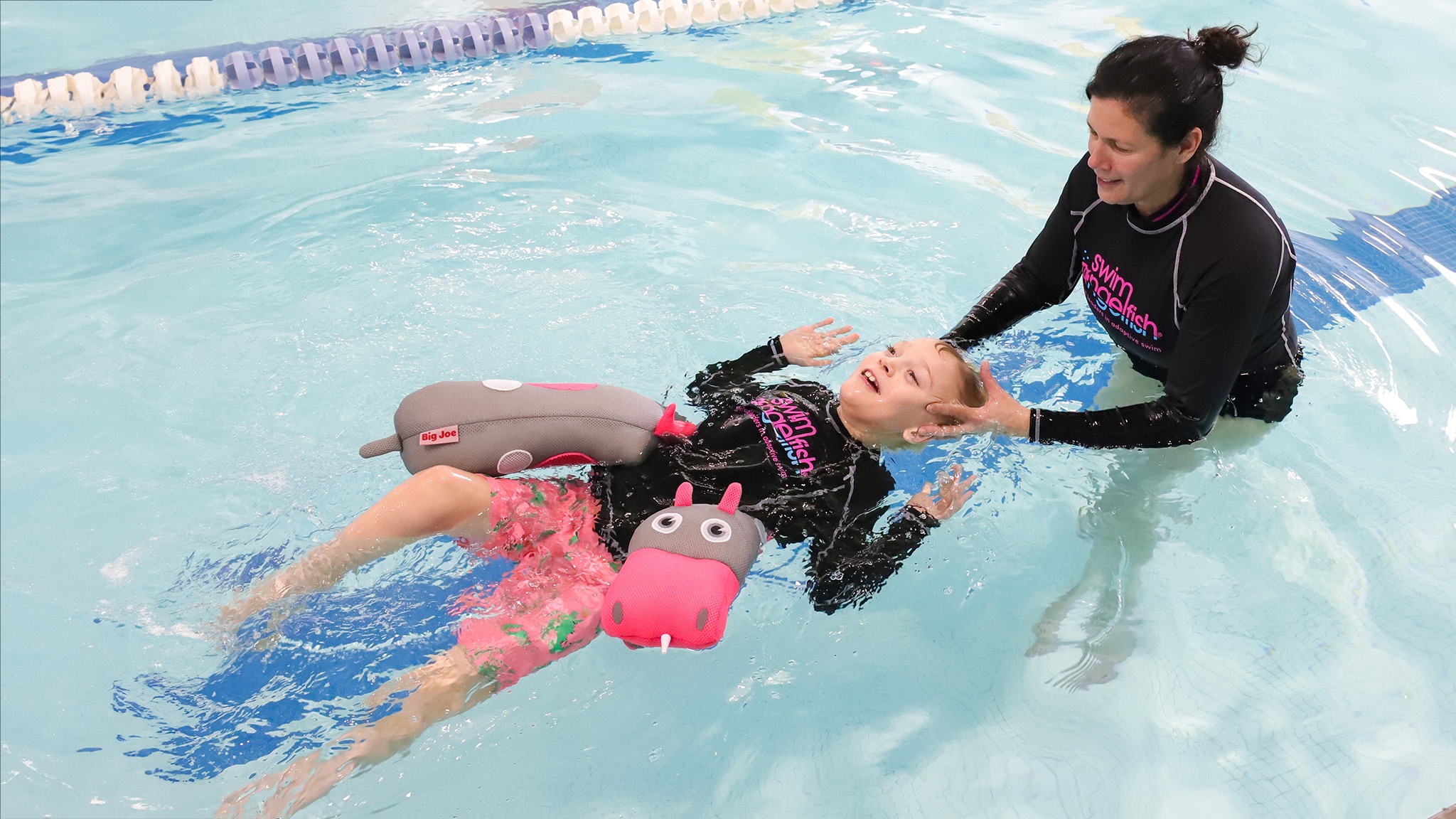
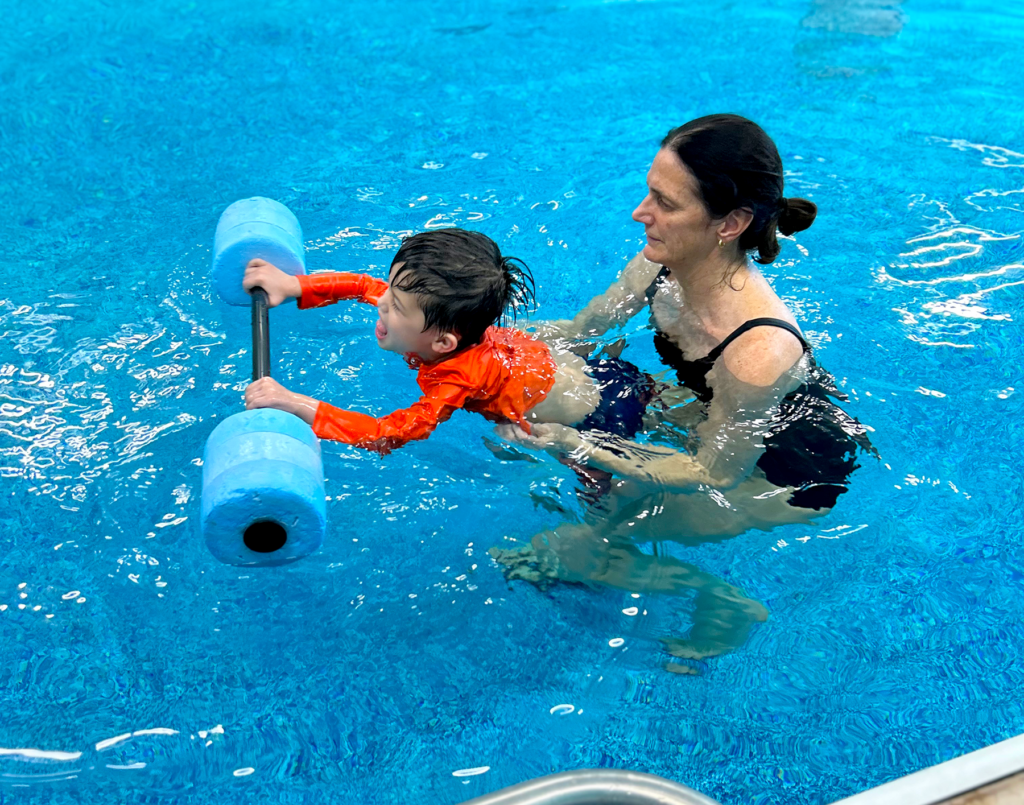
Aquatic (Swimming) Therapy is a very successful practice used for people with special needs that enables them to get physical, psychological, and neurological benefits in a more relaxing and enjoyable manner. It improves the participants’ physical health, balance, mood regulation, and feeling of self-worth and is, in reality, part of Adaptive PE programs. In the water, boundaries do not matter, and creativity is the only matter.
Enhancing Neurological and Emotional Health through Aquatic Therapy
At Dahlia Special School and Autism Center, our staff employ Aquatic (Swimming) Therapy to significantly improve neurological and emotional health via a combination of the following methods:
- Buoyancy creates an environment that cuts down on joint stress so people move more freely with more self-confidence.
- Hydrostatic pressure delivers steady sensory communication, which calms down the entire nervous system.
- The therapeutic effects of warm water at 92–96°F degrees help muscles relax as they reduce emotional tension.
Beneficial for Various Conditions:
We help people who suffer from:
- Autism spectrum disorder
- Down syndrome

Aquatic Therapy in the Individualised Education Plan (IEP)
Swimming Therapy at Dahlia Special School and Autism Center becomes part of Individual Education Plans (IEPS) to help students reach academic, physical, and social goals.
- Tools used: Students at Dahlia Special School and Autism Center utilise aquatic vests, kickboards, pool, noodles, and floating mats.
- Technique applied: Aquatic Sensory Integration.
- Educational professionals, together with therapists, develop active, personalised water activities with students.
Building Independent Living Skills through Aquatic Therapy
Swimming therapy is used to train and master daily living skills and manage personal care. The specialists propose exercises in the water that are similar to some daily tasks, which help in the growth and development of strong and self-confident personalities. The more an individual’s abilities increase in water, the more they can become independent, thus leading to a successful community lifestyle.